


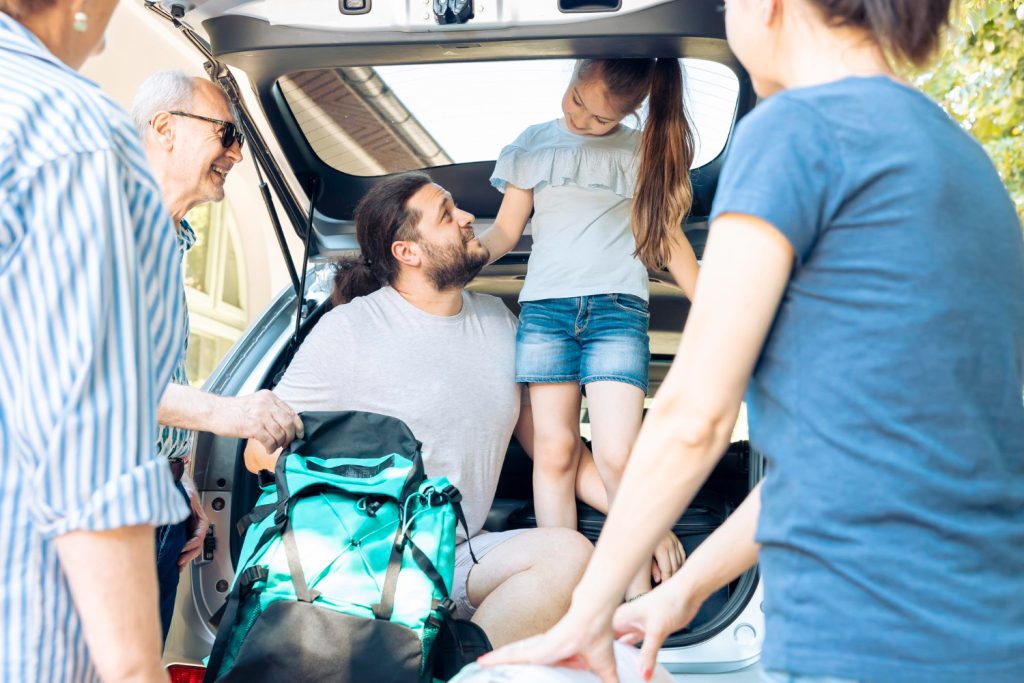
Build Holiday Travel Confidence Before You Leave
Holiday travel can be exciting, but it can also bring unfamiliar routines, crowded spaces, long waits, and changes in sleep and meal times. Thanksgiving visits, winter break trips, and December celebrations may feel especially demanding for children who do best with predictability and structure.
We encourage families to view preparation as a way to build comfort, not as a way to remove every possible challenge. Strategies informed by ABA in Washington, DC can help your child understand what may happen, practice useful skills, and feel more secure during travel. A visual airport schedule, a short practice ride, or a familiar comfort item can make a meaningful difference.
Turn ABA Goals Into Travel-Ready Routines
Before packing begins, we recommend thinking about the moments that may be hardest for your child. That could be leaving the house on time, sitting in the car, waiting in a line, visiting relatives, sleeping somewhere new, or returning home after a busy trip.
Rather than preparing for every possible situation at once, choose one or two routines that connect with your child’s current goals. A child who is working on communication may practice asking for a break. A child who benefits from clear expectations may practice following a short visual schedule.
Travel tasks often feel more manageable when we break them into smaller steps. At home, you can rehearse parts of the experience in a calm, low-pressure setting. For example, your child might practice:
- Putting a backpack by the door
- Walking through a pretend security line
- Choosing an activity for a waiting period
- Asking for help, a snack, or a break
- Sitting for a short amount of time before moving on
Positive reinforcement can help these practice routines feel encouraging. We suggest choosing rewards that are meaningful and realistic for your child, such as specific praise, a preferred activity, a small token system, or time with a favorite item. The goal is to recognize effort, not to expect perfection.
Plan for Sensory Needs During Travel
Airports, train stations, highways, restaurants, family gatherings, and unfamiliar homes can all bring new sounds, smells, lights, and social demands. We often encourage caregivers to think through the full travel day, including the drive to the airport, the wait at the gate, the ride itself, and time at the destination.
A family-centered plan can identify the settings most likely to feel overwhelming and the supports that may help your child stay comfortable. Familiar items can offer a sense of steadiness when the environment feels different.
Consider packing supports your child already knows and uses, such as:
- Noise-reducing headphones
- Sunglasses or a hat for bright spaces
- Comfortable clothing and familiar snacks
- A favorite fidget item or quiet activity
- A small lap item that is already part of your child’s routine
Breaks matter, too. Instead of waiting until your child is upset, plan chances to pause throughout the day. You may look for a quieter area in an airport, take a brief walk during a gathering, step outside for fresh air, or set up a calm space at a relative’s home. These supports are not about avoiding every new experience. They give your child time and tools to recover, regroup, and participate in ways that feel more manageable.
Practice Flexibility Before Plans Change
Holiday plans do not always go as expected. Flights can be delayed, traffic can last longer than planned, restaurants may be crowded, and family activities may change at the last minute. For children who rely on routines, even a small change can feel big.
We can help families use simple stories, visual supports, and role-play to prepare for common changes before the trip. A short visual sequence might show that a plane can be late, a visit can run longer, or a planned outing can be canceled. Then, your child can practice choosing an appropriate next step, such as reading a book, having a snack, playing a game, or asking when the next activity will happen.
During a real disruption, clear and calm language usually works better than a long explanation. We recommend using a few simple statements, pointing to the visual plan, and sharing what happens next. For example, you might say, “The flight is delayed. We will wait a little longer. Then you can choose a game or your book.” Even when the schedule changes, this gives your child a predictable path forward.
Keep Support Consistent with Caregiver Partnership
Travel support works best when the trusted adults around your child understand the plan. Before a holiday visit, we encourage you to share helpful information with grandparents, hosts, siblings, and other caregivers. This can reduce confusion and help everyone respond in a similar way.
Useful details may include your child’s communication preferences, favorite activities, foods to avoid, signs that they need a break, and ways to offer encouragement. Keeping this information simple can make it easier for family members to remember and use.
Families receiving ABA in Washington, DC can also work with our clinical team to adapt current goals for travel. Together, we can identify realistic targets, create visual supports, choose reinforcement options, and plan for common challenges. The focus is on helping your child use familiar skills in a new setting while protecting meaningful family time.
While away, try to keep a few routines steady. Bedtime steps, preferred breakfast foods, communication supports, scheduled breaks, and calming activities can offer comfort in an unfamiliar place. After returning home, a lighter day and a return to familiar routines may help your child settle back in.
Create a Holiday Travel Plan Your Family Can Use
Starting early can make holiday preparation feel less stressful. A helpful plan does not need to be complicated. Identify likely challenges, practice one routine at a time, pack familiar supports, and make sure the adults involved understand what helps your child.
Every child responds differently to travel, so the best plan is one that fits your child’s communication style, sensory preferences, strengths, and current goals. Focus on the moments that matter most, notice progress along the way, and adjust your approach as you learn what works for your family.
Build a Travel Plan With Confident Support
At Behavioral & Educational Solutions P.C., we help families develop practical strategies that support meaningful progress beyond everyday routines. Learn how ABA in Washington, DC can address travel-related goals through individualized, family-centered care. When you are ready to discuss your child’s needs, contact us to connect with our team.