


ASD testing can bring some peace of mind to families who have noticed their child is struggling with behavior, communication, or daily routines. During the colder months, many families in Silver Spring start looking more closely at these challenges, especially when indoor time stretches longer and the structure of school eases up. Winter often gives parents a chance to slow down and notice patterns that might have been overshadowed during busier seasons. This timing leads some to wonder whether now is the right moment to move forward with ASD testing, especially when behavior changes seem more pronounced in the colder, darker months.
Every child is different, but winter provides a unique opportunity for reflection. With more time spent at home and fewer outside obligations, concerns tend to surface or grow clearer. This is one of the reasons more families in Silver Spring choose this season to begin the evaluation process. Understanding what the process looks like helps reduce worry, especially if you are trying to line everything up before spring.
Why Families Schedule ASD Testing in Winter
There are a few seasonal rhythms that play into timing. Slower school calendars during winter break or around mid-year holidays give families more space to schedule assessments without adding pressure to an already full week.
- School demands may ease up, allowing flexibility for testing appointments
- Extracurriculars usually slow down, making it easier to rearrange schedules
- Indoor behavior becomes more visible once outdoor time is limited
When kids are indoors more often, certain behaviors become harder to ignore. Repetitive play, strict routines, and emotional outbursts can shift into focus. Parents might notice more tension with siblings, increased sensitivity to noise, or inflexibility around meals and sleep. These observations can raise important questions that winter finally allows space to explore. Deciding to schedule a test during this time can bring more clarity heading into spring.
Preparing for an ASD Evaluation in Colder Months
Winter in and around Silver Spring often brings unpredictable weather, darker mornings, and a pull toward staying home. These can all impact how kids and caregivers get ready for an appointment.
To stay on track, consider planning for:
- Traffic delays or transit issues related to snow, ice, or cold
- Packing snacks, comfort items, and indoor activities for waits or breaks
- Layering clothes to keep transitions smooth from car to building
- Shorter daylight hours that can affect children’s mood and alertness
Winter often throws off routines, which may rattle some kids more than others. If your child struggles with schedule changes, give advance notice about appointments using simple explanations. A countdown calendar or visual schedule might reduce surprise. Planning a quiet activity for before or after your visit can also help make the day feel more balanced.
What Happens During the Testing Process
An ASD evaluation usually includes several key steps that unfold over one or more visits. The exact flow depends on your provider, but most assessments aim to build a full picture of how your child thinks, communicates, and responds to their surroundings.
Here is what that might include:
- Interviews with parents or caregivers about medical history and behavior
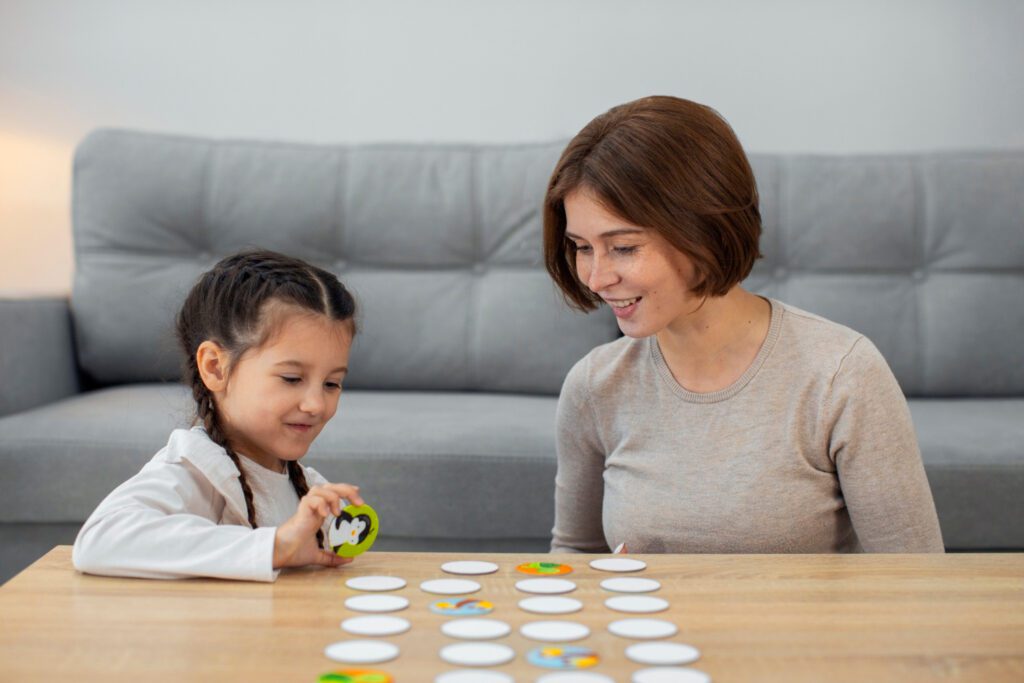
- Observations of the child at play or interacting with adults
- Standard questionnaires or checklists that highlight specific behaviors
- Time spent one-on-one with a clinician asking questions or completing tasks
Winter schedules can be tricky for families, and that is taken into account. If a child seems tired from shorter days or thrown off by the weather, the pace is adjusted. Testing environments are built to be calming and flexible. Breaks are encouraged when needed, especially if a child becomes overwhelmed. Some children breeze through quickly, while others take more time. That is completely normal.
Expert Testing and Support in Silver Spring
At Behavioral & Educational Solutions P.C., we provide detailed ASD evaluations conducted by licensed psychologists familiar with both neurodiversity and seasonal context. Our process includes comprehensive intake interviews, observation in play and learning settings, and standardized tools tailored to each child’s needs. We coordinate closely with families and schools to ensure results can be used to update learning plans and inform ongoing supports.
How Winter May Affect Behavior and Results
Winter is known for shifting moods, and less sunlight, more indoor time, and disrupted sleep can affect children in subtle ways. For kids who already have sensitivities, the impact can reach farther.
Some ways winter might affect behavior include:
- More emotional outbursts due to lower energy or overstimulation indoors
- Increased sensitivity to noise or changes because of tiredness or sleep changes
- Difficulty adjusting between home, car, and clinic due to cold-weather preparation
As behaviors are observed, all this context is kept in mind. Seasonal influences are real, and they shape how a child responds during a session. No conclusions are rushed if something seems unusual for that child’s baseline. It is part of our responsibility to spot the difference between what is truly consistent and what is being shaped by the time of year. Families can help by jotting down recent patterns or questions they have had so a more complete view of behavior across settings can be gathered.
After the Evaluation: What Parents Can Expect Next
Once testing is complete, the next steps often depend on timing and scheduling, especially around holidays. Reports usually take time to create because they need to be thoughtful, detailed, and clear. If testing happens in late December or early January, there may be a small delay due to limited holiday hours, but families are told what to expect in advance.
Next steps may include:
- A follow-up conversation to go over the results
- Discussions about what support or resources might be helpful
- Time to ask questions and reflect on what the information means
Winter itself can make logistics a little slower, but the process remains the same. Families are encouraged to prepare a short list of things they are wondering about after testing. This helps guide the conversation once results are ready, especially if caregiving or school decisions are coming up for spring.
Supporting Your Child Through Winter Testing Can Bring Clarity
Getting through the holidays and the colder stretch of winter can feel heavy, especially when your mind is full of questions about your child’s growth, behavior, or needs. For many families in Silver Spring, this season creates room for observations that might have been missed in warmer, busier months. Indoor routines bring habits and challenges to light, offering insight that can guide families toward answers.
Starting ASD testing in the winter is not just about checklists or appointments. It is often the first clear step toward better understanding your child’s needs. That clarity may not come all at once, and some parts of the process can feel uncertain. Taking the time now often leads to more confidence later, both for you and for your child.
Many families in Silver Spring use this season to reflect on their child’s routines and explore supportive steps forward. Starting the process of ASD testing can provide valuable insights for school planning, therapy, and daily life. At Behavioral & Educational Solutions P.C., we are here to guide you and make each step feel more manageable. Reach out to talk through whether this winter is the right time to begin.


