


Spring in Bethesda, Maryland comes with longer days, warmer air, and sometimes, a bit more chaos than families expect. As the seasons shift, so do schedules, and the quick break from winter routines can throw some children off balance. This isn’t just about switching from coats to short sleeves. It’s the quieter changes, like school events popping up, increased outdoor time, or new activities, that can make things feel unsettled.
Whether the shift is small or big, transitions are hard for a lot of kids. They might get moody, have trouble sleeping, or seem more sensitive than usual. These kinds of reactions don’t always have an obvious cause, especially when spring itself is supposed to feel like a positive change. But as a child psychologist in Bethesda, MD, we know these transitional periods are when kids often need a little extra grounding.
Understanding Seasonal Shifts for Children
When March rolls around, kids start to feel the shift, both physically and emotionally. Schools enter the final stretch of the year, which often means new routines, group projects, or testing. At the same time, after-school programs multiply and opportunities for outdoor play increase.
For some kids, especially those with autism or sensory differences, even small changes stack up fast. These are kids who thrive on predictability, and spring often delivers the opposite. Parents might notice more struggles with sleep, sudden emotional spikes, or avoidance behaviors that weren’t showing up over the winter.
- More daylight can affect nighttime routines and sleep quality
- Events like field days or school performances may trigger anxiety
- Increased social expectations come with warmer weather and group activities
Recognizing that these reactions might be tied to seasonal transitions is the first step to helping kids manage them better.
When Spring Activities Push Routines Off Track
New activities are exciting, but they can take a toll. Spring sports, music rehearsals, community meetups, each one chips away at the familiar rhythm many kids rely on. What began as a fun addition to the week may end up creating tension at home or school.
Kids who were doing well might start zoning out in class, resisting bedtime, or snapping during meals. These aren’t always sudden red flags. Often, it’s the build-up over a few weeks that causes routines to unravel.
- Later sunsets and busier weekends can overstimulate children
- Consistent mealtimes or bedtimes may become harder to stick with
- Some kids might regress in areas like following directions or emotional control
It’s not about cutting activities out altogether. The goal is to catch these patterns early and adjust before it becomes too much for the child to handle.
How Professionals Help Kids Adapt to Change
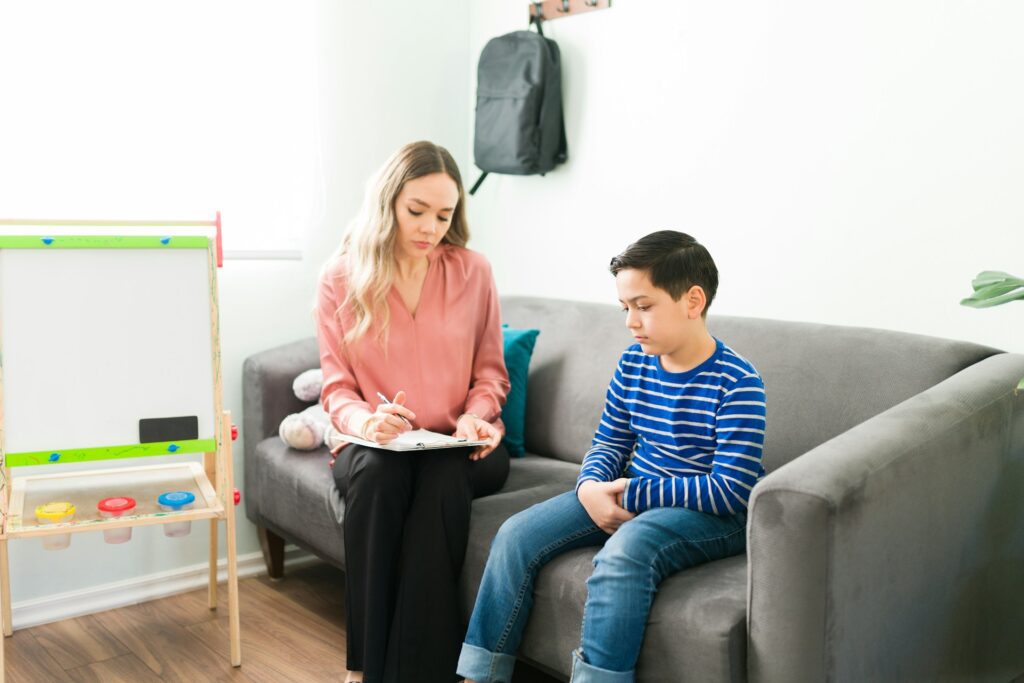
There’s real value in giving kids a neutral space to talk about what feels hard. A child psychologist in Bethesda, MD offers more than problem-solving. The focus is often on building awareness, helping kids notice what’s different, label emotions, and try new strategies at their pace.
Many kids can’t explain what’s bothering them until they’ve had some time and support. When we work with children, we look for simple tools they can lean on when everything around them starts shifting.
- Talking through scenarios helps children think ahead instead of feeling stuck in the moment
- Coping tools like pauses, visuals, or breathing help manage high-pressure transitions
- Parents often pick up on small things they can adjust at home once they see how their child responds in sessions
The goal isn’t to stop all change. It’s to help kids feel less like change is something that happens to them and more like something they can face with support.
Supporting Children Across Home, School, and Community
Emotional balance works best when kids feel supported in every part of their day. It’s not just about what happens during therapy or at school. Family rhythms, after-school expectations, and even how weekends are structured all factor into how a child experiences a seasonal transition.
We often encourage families to create structure in ways that feel clear and comforting to their child. When everyone, from teachers to caregivers, sticks to the same playbook, kids feel more secure.
- Weekly plans or visual schedules help children understand what’s coming next
- Communication between home, school, and after-school programs reduces surprises
- Input from teachers, coaches, or aides can inform how transitions are handled across different settings
Even a small shared understanding, like knowing a particular day will run differently, can prevent meltdowns and help kids feel more prepared.
Building Confidence Through Predictable Change
Spring doesn’t have to throw kids into a tailspin. When change is paced well and explained clearly, it becomes a stepping stone, not a setback. That doesn’t mean everything will go smoothly every time, but it helps kids believe they can get through it.
We’ve seen children surprise themselves when they try a new activity and it goes better than expected. Or when they manage a tough moment using a strategy they practiced for weeks. These aren’t small wins. They’re building blocks toward confidence.
- Spring transitions offer opportunities to stretch routines gently
- Familiar supports like bedtime rituals or after-school check-ins help balance busy weeks
- Continued encouragement builds trust that change won’t always feel scary
The more chances children have to approach change with guidance, the more flexible and resilient they become over time.
Spring Can Still Be a Strong Season
Spring has a way of pulling families in many directions. Between school wrap-ups, increased social plans, and warmer weather, routines can slip without anyone noticing. But with a little forethought, that shift doesn’t have to feel overwhelming.
When children are supported through seasonal change, it shows. They’re calmer, more confident, and able to enjoy what the season brings instead of bracing against it. By noticing their signals and making space for steady support, families can turn spring into a season of real growth.
Support can make a world of difference when your child feels unsettled by a spring schedule shift. At Behavioral & Educational Solutions P.C., we partner with families to help children establish steadier routines and build confidence through transitions. Managing new activities or easing anxiety at school is different for every child, and we recognize each child’s needs are personal. When you need a child psychologist in Bethesda, MD, our team is ready to help you take the next step. Reach out today to start the conversation.