


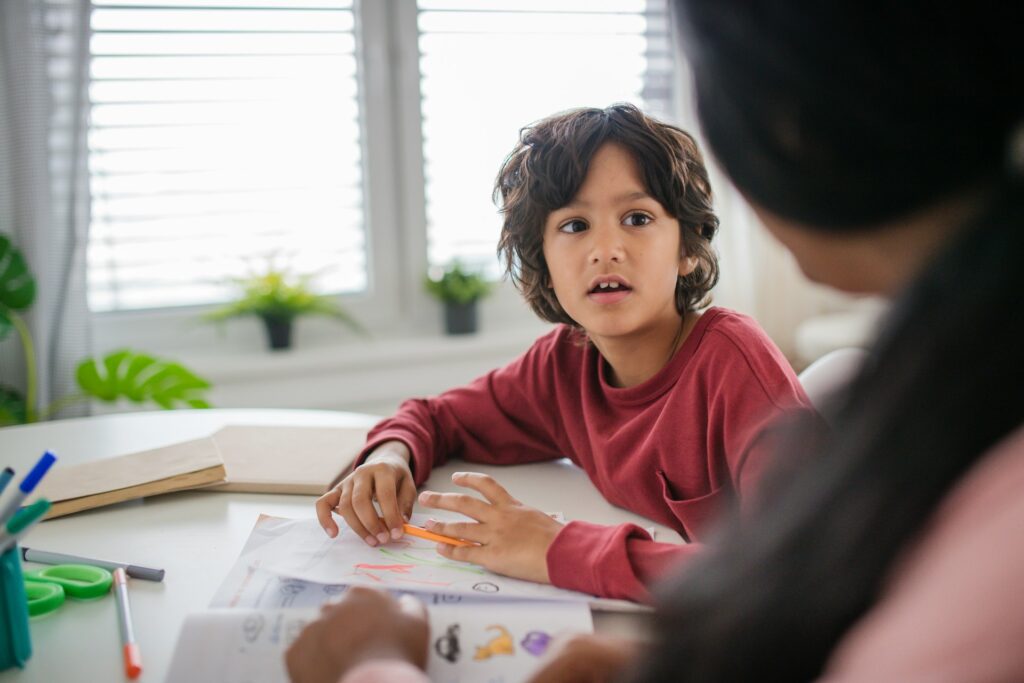
The end of a school year often brings more than just warmer weather. For many children, especially those with learning or emotional differences, class changes can stir up a mix of emotions. Whether it’s a shift to a new teacher, classroom, or even a different school, it’s natural for kids to feel unsure or anxious.
That’s where planning and support come in. A child psychologist in Washington, DC can make these transitions smoother for families, helping kids face change with more confidence and less stress. In the coming sections, we’ll share ways to prepare at home, respond to emotional ups and downs, build up self-confidence, and know when outside support might help.
Planning Ahead for a Smooth Switch
A new routine or environment can feel big. Giving children time to adjust before the change actually happens can ease some of the tension and encourage a sense of readiness.
- Begin talking about upcoming class changes a few weeks early. Simple language works best, especially when it focuses on what will stay the same as well as what will be different.
- If possible, schedule a visit to the new classroom. Even a quick walk-through can help kids feel more in control and sure of what to expect.
- Use visual aids or social stories that walk through the change step by step. A short, picture-based book or chart about the new classroom routine can go a long way in making things feel predictable and safe.
Many families find that a little preparation goes a long way. Showing children pictures of their new school or classroom, or even practicing the route together on foot or in the car, can make things more familiar. It’s often helpful to point out the things they will recognize, such as their new cubby, a playground, or the school library. This helps the upcoming change feel less unknown.
Thinking ahead sets the tone for success. It shows children that there’s a plan and that they’ll be supported every step of the way. You could even create a small countdown calendar together, marking days until the switch, so the timing is visible and not a sudden surprise.
Supporting Emotional Ups and Downs
Feelings around change aren’t always obvious at first. Some children act out. Others go quiet. Parents and caregivers can pay close attention to behavior patterns as class changes approach.
- Sleep troubles, strong reactions, or pulling away from activities they usually enjoy might be signs they’re feeling overloaded.
- Building in calming routines around school time can create a sense of peace and predictability. This might include a quiet breakfast, short breathing exercises, or time to reset after school with a favorite book or toy.
- Having open conversations helps, too. Children might not always have the words, but checking in with kindness and patience reminds them their feelings are okay to share.
It is common for kids to process transitions in their own way. Some may ask lots of questions, while others might avoid the topic altogether. Keeping communication open and checking in regularly gives your child a chance to talk when they’re ready. Sometimes, children express what they are feeling through play or drawings before they can use words. Paying attention to these cues will help parents notice when extra support is needed.
New routines often bring new worries, but those can soften with emotional honesty and gentle structure. Keeping expectations consistent from day to day can give your child stability to lean on when everything else feels new. For example, encourage the same morning routine or bedtime wind-down even if the daytime schedule changes. Predictable rituals can anchor kids and help them feel safe.
Helping Your Child Build Confidence
Even small changes can feel big when you’re young. Encouraging independence in everyday tasks helps kids feel more secure as other parts of life shift.
- Give them a say in small choices, like picking clothes for school or setting up their backpack the night before. These decisions build ownership and security.
- Practice parts of the school day at home. Can they lay out their lunch? Say hello to someone new? Even pretending to line up by the door can offer a sense of readiness.
- Recognize their efforts, not just outcomes. A child who walks into a classroom with a wobbly smile deserves the same praise as the one who’s all in from minute one.
It can also help to talk about past successes. If your child managed a camp or changed groups during an activity, you can remind them how they handled that change. Highlight that they were able to get through it, even if it was tough at first. Try using positive phrases like, “Remember when you were nervous about meeting your soccer coach, but you ended up having fun?” This helps your child remember their own strength.
Confidence doesn’t always show up loudly. Sometimes, it grows quietly, from one small success to the next. Help your child set tiny, manageable goals during the transition, such as greeting someone new each day, bringing a favorite object for comfort, or completing a classroom task independently. Each step they take on their own builds confidence and teaches resilience for the future.
When to Seek Professional Support
There’s no set rule for how quickly a child should adjust to a class change. Some take it in stride. Others need more time and guidance. If school transitions continue to feel overwhelming, it might be time to consider more help.
A child psychologist in Washington, DC can offer personalized strategies for easing this kind of stress. Whether that means creating a visual support plan or role-playing transitions in a safe space, these tools make a real difference.
Some children also benefit from having an advocate at school. A psychologist can help families work with teachers to create plans that make the classroom feel more predictable and accessible. From short breaks to changes in seating, small supports can lead to big changes in how a student feels about their day.
Seeking help is never a sign of failure. Every child is different, and sometimes what works for one family may not work for another. Professionals work alongside families and schools to find practical solutions for each child. They might suggest new routine charts, calming strategies, reward systems, or social stories. Over time, these supports can help your child approach class changes with more comfort and less anxiety.
As spring turns to summer, changes often come quickly. Getting ahead of that shift with added care doesn’t mean something is wrong. It just means we’re paying attention. If your child continues to feel stressed or has ongoing trouble managing transitions, talking to a psychologist can make the journey easier for everyone involved.
Finding Strength in New Routines
Every class change brings a chance to reset. The unknown may feel uncomfortable at first, but with steady support, kids learn that they can manage change, and maybe even grow from it.
We’ve seen it in homes across Washington, DC and nearby suburbs. Children who once struggled to walk into a new classroom now smile at their next teacher. It doesn’t happen overnight, but it does happen with care, time, and trust in the process.
The comfort of routine and the courage it takes to step into something new can live side by side. Helping children hold space for both is how real progress takes root. And when change feels hard, we don’t have to face it alone.
Sometimes, taking extra steps to settle into a new routine can help the whole family. Sharing what works with your child’s teachers can create consistency between home and school. Working together, parents and educators can help your child feel seen, heard, and supported in both places. Over time, those changes become less intimidating, growing your child’s trust in their ability to handle what’s ahead.
Navigating class transitions can be a challenge for many children, and having support from professionals who truly understand makes all the difference. Working with a child psychologist in Washington, DC provides your family with proven strategies to ease overwhelming feelings and create smoother routines at home and school. At Behavioral & Educational Solutions P.C., we empower kids to build confidence and help parents with solutions that work. Let’s work together to support your child’s growth, contact us today to get started.