


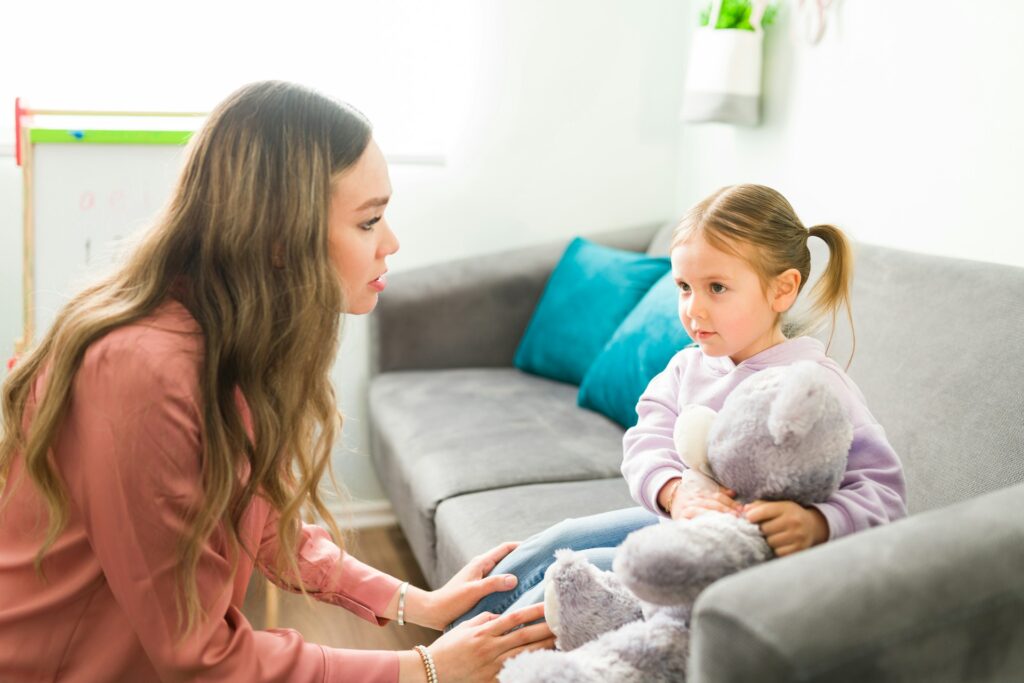
Winter can bring a mix of comfort and confusion for kids when it comes to friendships. In smaller communities like Takoma Park, colder days and fewer outdoor activities can make peer relationships feel more intense. The change in routine after the holiday break, along with less daylight and more indoor time, can shift how kids interact with each other. Some friendships strengthen, while others might face more challenges.
What may feel like a small disagreement during warmer months can seem bigger in the thick of winter. If a child is already having trouble with transitions or expressing emotions, those colder months can make it even harder to connect. That is where child counseling services can provide helpful support, offering a space for kids to sort through the emotional side of friendships in a way that feels safe and manageable.
Understanding Winter Friendship Shifts in Takoma Park
Weather plays a bigger role in social life for kids than many realize. When playgrounds are covered in snow or temperatures drop too low to play outside, kids have fewer chances for spontaneous, active time with friends. That makes school or structured activities the main place for social interaction, and sometimes that shift limits how they build and maintain those relationships.
Some common winter friendship struggles for school-age children include:
• Feeling left out when playgroups shift or change
• Misreading jokes or facial expressions due to sensory stress or fatigue
• Becoming overly attached to one friend and feeling anxious when they are unavailable
For kids in Takoma Park, the closeness of the community can be both a comfort and a strain. Smaller schools and familiar neighborhoods mean kids often see the same peers in many places, which can grow close bonds but also make any social hiccup feel much bigger. That daily closeness adds pressure to work things out quickly, even when a child might need more time or guidance.
The winter season often amplifies these feelings. Indoor play can mean fewer choices of who to interact with, and the smaller pool of available friends means even minor disagreements can feel much more significant. Some children may worry about being left out when group dynamics shift, simply because there are fewer opportunities to reset and reconnect. Others who already feel stressed by social cues might find themselves second-guessing what is said or done, especially if fatigue from lack of outdoor activity grows.
When Mood and Friendship Struggles Overlap
Emotions do not stop at the classroom door, and winter can complicate how kids feel and behave. If a child seems more tired, moody, or withdrawn during this time of year, it could connect to both the season and social struggles. Emotional changes often show up around friendships first.
Here are a few indicators a child might be having trouble managing both friendships and emotions:
• They seem irritable or sensitive around peers
• They avoid group activities or complain of stomach aches before school
• They cry more easily during misunderstandings or become unexpectedly quiet
These reactions are often not about “bad behavior” but a sign that something deeper is going on. Child counseling services can create a space to sort through what a child is feeling beneath those behaviors. By helping them name those emotions and connect them to experiences with friends, we can start to relieve some of that inner pressure. When children understand what is going on inside, it becomes easier to express themselves clearly on the outside.
It is important to remember that children may express these feelings in different ways. Some kids might become more clingy, seeking reassurance, while others could pull away and choose to spend more time alone. Parents and teachers may notice these patterns, especially if a child changes how they act around their usual friend groups. Supporting children during these moments involves patience and gentle encouragement to talk about what is bothering them, even if their words are not clear at first. Mood and friendship struggles often go hand in hand, so a consistent approach helps children feel more secure.
Helping Kids Build Stronger Social Skills
Friendship is not automatic. Even for adults, it takes practice to communicate, apologize, or speak up when something does not feel right. Children need help building those same skills in ways that feel approachable and engaging.
We have seen how using structured play, games, or drawings can open conversations that might otherwise feel too hard to start. Role-playing situations from the classroom or community gives children a chance to practice different responses without real stakes. These learning moments can be quiet but powerful, especially when supported by someone who brings patience and insight without pressure.
When we focus on:
• Naming feelings clearly
• Setting gentle boundaries
• Solving small conflicts before they grow
We equip children to approach their peers with more confidence. They no longer feel they have to choose between silence or outbursts. They learn that being heard can happen in ways that do not cost them connection.
Developing social skills means building them step by step. For example, practicing introductions, sharing, or asking for a turn in a game can help kids feel more comfortable in group settings. Simple activities like drawing or storytelling often let shy or overwhelmed children express what they are feeling, even if they cannot say it out loud. Supporting these skills is especially helpful during the winter, when interactions may feel closer and children have fewer options for alone time or physical outlets. Teaching kids to recognize when a friendship feels right or when it feels uncomfortable can make a huge difference in how they manage future relationships.
Supporting Families Through the Winter Transition
Parents and caregivers also feel the shift when winter hits. Concerns about friendships often come up during evening talks or on the ride home from school. You might hear things like, “They are not playing with me anymore,” or “I do not know what I did wrong.” These small statements often lead to big feelings, for the child and the adult.
Families in Takoma Park can approach this season with gentle structure and patient listening. A few ways to support kids at home include:
• Keeping the evening routine calm and predictable
• Asking open-ended questions like, “What was something that felt tricky today?”
• Giving quiet time after school before jumping into problem-solving
If your child keeps bringing up the same friendship challenge or if emotions seem too big for them to handle, outside support may help. Hearing ideas from someone trained in child development can offer peace of mind for parents and emotional relief for kids. Not everything has to be worked out at home alone.
Parents may sometimes wonder if their own worries are affecting their children. By practicing openness and acceptance, families can show children that it is okay to face social challenges, and that support does not always have to mean fixing things right away. Giving children room to process can help them practice patience with both themselves and others, building the foundation for future friendships. If routines feel too busy, even a few minutes each night spent talking about the day can provide reassurance. This simple attention strengthens the parent-child relationship and helps kids recover from tough days.
Expert Counseling for Social-Emotional Growth
At Behavioral & Educational Solutions P.C., we offer child counseling services designed to promote social skills, emotional understanding, and better peer connections. Our licensed providers use evidence-based counseling, play therapy, and skills groups to support children as they learn to handle challenges in friendships and school life.
Making Room for Stronger Connections This Winter
The way kids relate to each other changes all the time. These shifts can feel sharper in the winter, with its quiet afternoons and fewer distractions. But this season also provides a natural window for reflection. Taking the time to slow down can help children name what is working in their friendships, what feels confusing, and where they would like support.
Whether it is awkward group dynamics or bigger emotional patterns, kid friendships are rarely black and white. Some will stretch and bend, some will fall away, and some will surprise us with how resilient they are.
Helping kids see friendships as something they can shape, through honest words, healthy boundaries, and open hearts, makes a difference. When those skills are supported during winter, children can move into spring with more patience, clarity, and trust in themselves. What starts as tension can soften into understanding, and what feels like loss can often lead to something steadier.
At Behavioral & Educational Solutions P.C., we know that seasonal shifts can bring about friendship struggles and emotional changes for children. When kids in Takoma Park and surrounding areas feel stressed or withdrawn during the winter, having supportive strategies can make school and social experiences more manageable. With personalized guidance, children have greater opportunities to build healthy connections and feel secure among their peers. For families noticing their child may need extra support, our child counseling services are designed to encourage better communication and boost social confidence. Reach out to us to discuss how we can help your child take the next positive step.


