


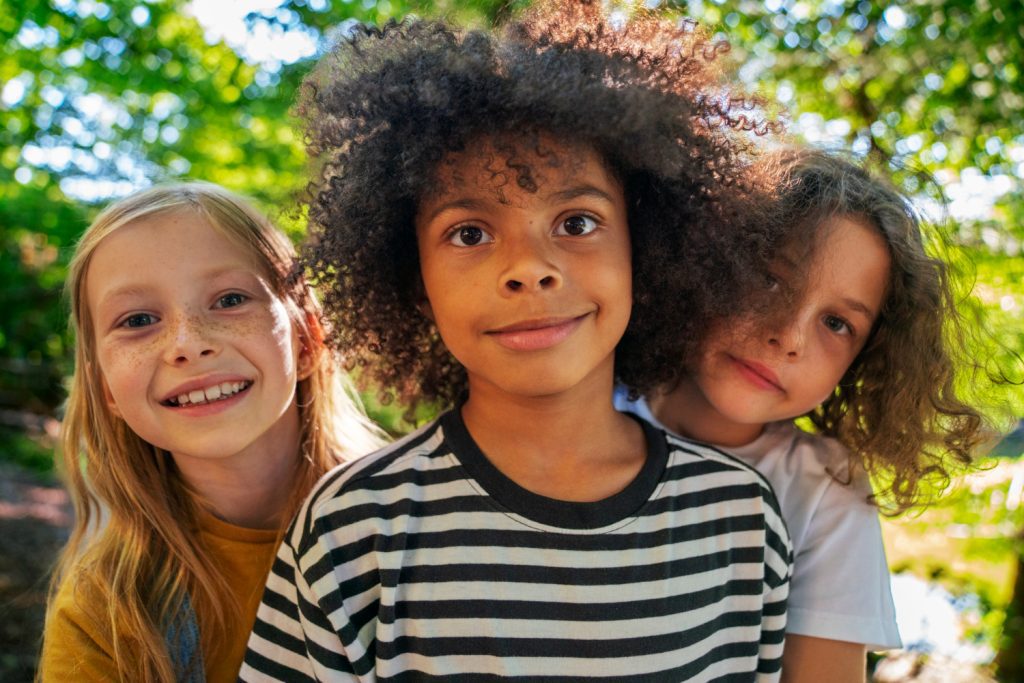
When school lets out, it brings a huge shift for many kids. For some, summer means more time to recharge. For others, it can feel lonely, especially without the built-in connection that comes from daily classroom routines.
In Bethesda, longer daylight hours and flexible schedules open up chances to play and grow, but they can also bring anxiety for kids who find friendship tough. Without predictable social settings, some children pull back or feel unsure of where they belong. This is where child counseling services can be part of helping kids feel more connected through the summer months. Whether a child is struggling to make friends or figuring out how to keep them, structure and support can go a long way.
The Social Shift from School to Summer
School provides consistency. Whether collaborating on group projects or chatting during lunch, it’s a reliable place to see familiar faces. When that structure ends, kids are left to adjust to a new rhythm. Many look forward to the break. Still, for children who need social structure, or those who already find connection challenging, the shift can feel like losing their safety net.
In Bethesda, transitions are often shaped by summer-specific offerings, different camps, shifting schedules, and families taking vacations. This variety can make it harder for peer relationships to deepen. Kids might not see the same classmates or neighbors week to week, which can lead to a sense of starting over every time. Without regular contact, friendships formed during the school year may fade.
Common Friendship Challenges for Kids in Summer
Some summer activities ask kids to quickly adjust to new settings and new people. This can be especially tough for children who are more reserved or need time to warm up socially.
- A new playgroup might have unspoken rules that are hard to follow right away. Kids who miss these cues may feel left out without knowing why.
- Camps can be exciting but overwhelming. The mix of noise, large groups, or unfamiliar places can wear on a child’s ability to stay calm or participate with ease.
- Switching environments a lot, such as alternating between two homes, joining different weekly camps, visiting relatives, or playing with kids from different circles, adds to the stress of figuring out how to fit in.
Children don’t always say they’re having a hard time. In fact, it often shows through behavior. A child who usually talks a lot might suddenly stay quiet around peers. Another might have frequent meltdowns or cling more than usual during drop-offs. These can all be signs that social settings feel out of reach or too unpredictable.
How Child Counseling Services Help Kids Build Social Confidence
Building friendships takes practice and tools. We help kids express their feelings and teach ways to join or stay in play without taking over or withdrawing. Through child counseling services, children have a chance to rehearse skills that encourage stronger peer interactions.
We might focus on things like:
- Learning to take turns, wait during play, or ask others for help in a way that doesn’t feel too demanding.
- Practicing how to handle disappointment when a peer says no or a favorite game isn’t an option.
- Exploring ways to read facial expressions or body language so kids feel better prepared to join group settings.
When summer plans include things like neighborhood pool meetups, art camps, or local park outings, therapy sessions can be adjusted to make those moments easier. For kids in Bethesda, where summer includes varied environments and opportunities, we tie these experiences into sessions. That way, children are not just learning skills in theory, but seeing how they work in real places with real social demands.
Partnering with Families to Support Summer Social Growth
Friendship-building doesn’t just happen during therapy time. Families play a big part too. Parents and caregivers help kids feel safe exploring new situations and guide them through early challenges in connection.
We often collaborate with families to make sure the strategies shared are realistic and useful at home. Setting small summer goals can help, like:
- Using social scripts for common moments, such as asking to join a game or saying hello.
- Supporting one playdate each week as gentle practice in starting and maintaining social time.
- Making visual plans for upcoming events, highlighting who might be there, and what the structure will look like so it feels less surprising.
When caregivers feel confident supporting social growth, kids often pick up on that. It becomes easier to take risks, even small ones, like showing interest in a new peer or trying again after a rough start.
Creating Space for Social Wins
Summer has its own rhythm, and with that comes space for change, connection, and progress. Kids grow a little during these months, not always in big, visible ways, but often in small, meaningful steps.
We’ve seen how the right support helps children in Bethesda start friendships, keep them going, and feel more at ease in group settings. What starts in June with a nervous hello can turn into shared laughter in July and confidence that carries into fall.
Summer isn’t about perfect outcomes. It’s about trying, learning, and feeling like you belong. And when kids feel that, even for a few moments, it makes a lasting difference.
At Behavioral & Educational Solutions P.C., we understand that steady support during summer helps social growth feel less overwhelming and more achievable. For families in Bethesda, Maryland, noticing their child withdraw or struggle to build peer connections outside of school, now is the right time to see how consistent guidance can make a difference. Our child counseling services are designed so kids can practice social skills while feeling understood and not rushed. We shape each plan around real summer settings, like local parks or new camp groups, to meet your child’s pace. Reach out today to get started with support that fits your family’s needs.