


Spring often comes with new energy, longer days, and lots of change. For young children in Silver Spring, this can mean more outdoor play and fresh routines, but it can also bring extra behavior challenges. A shift in schedule, more stimulation during the day, or changes at home or daycare can throw off even the most upbeat child.
When big feelings show up more often, it’s natural for parents and caregivers to look for support. That’s where a behavior therapy center in Silver Spring can be part of the picture. The goal isn’t to fix a child. It’s to help them (and us) understand what’s going on underneath, and how small adjustments can lead to better days. Support like this can shape social skills, improve communication, and help the whole family feel more balanced.
Understanding Early Childhood Behavior
We’ve all seen it, a toddler melting down in the grocery store or a preschooler clinging to a caregiver after drop-off. These reactions may seem sudden, but there’s usually something deeper going on.
Children don’t act out for no reason. They’re still learning how to name emotions, wait their turn, or handle surprises. Spring can make these challenges worse. A few examples we often hear about include:
- Trouble with transitions, like moving from outdoor play to bedtime
- Sensory overload from busy parks, school events, or lots of noise
- Disrupted sleep schedules once daylight sticks around longer
What looks like misbehavior might be a child trying to say, “I don’t feel okay” without the words to explain it. Behavior therapy works by helping identify these patterns. Are they frustrated when routines shift? Anxious in loud spaces? Tired after too much screen time? When we slow down and observe, we often see more than we expected. This extra attention to understanding underlying causes helps families respond with patience instead of frustration.
What Behavior Therapy Looks Like for Young Children
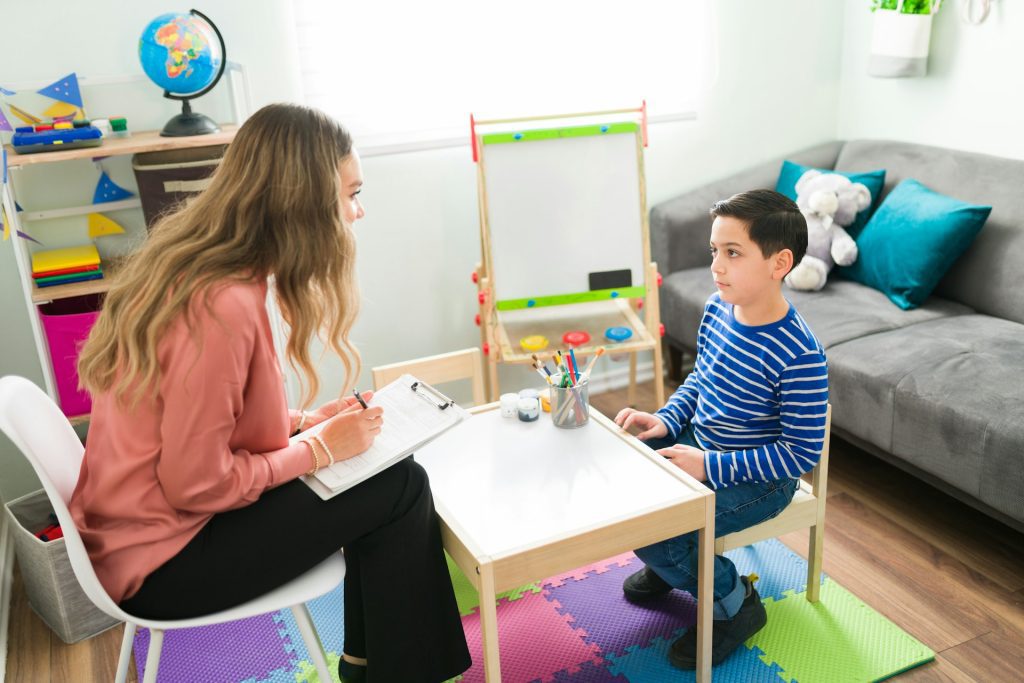
For young kids, behavior therapy doesn’t look like a long talk in an office chair. It’s playful, active, and age-appropriate. Children engage best when they feel safe and curious, so sessions often include games, stories, movement, and art.
- Younger children might play with dolls or figures to act out situations
- Therapists teach emotional words like happy, sad, mad, and frustrated
- Sessions use turn-taking, sharing, and patience-building games to teach self-control
We don’t focus only on what the child does. We work directly with caregivers too. That might mean coaching during play, sharing ideas on how to respond to outbursts, or helping make a change in daily routines. By involving caregivers, the gains a child makes in sessions are easier to carry home. The goal is always the same, to give families tools that are easy to remember and fit naturally into daily life.
The earlier kids begin to build these skills, the better they can handle new situations as they come. They’re not just learning one-time tricks, either. They’re practicing how to pause, take a breath, and express themselves in ways that work. Over time, this practice builds confidence and helps children become more independent in managing their actions.
Supporting Families Outside the Therapy Room
What happens during a session matters. But what happens at home throughout the week matters just as much. Small, steady shifts in the environment can keep progress going between appointments.
- Predictable routines give children a sense of control
- Visual charts for tasks like getting dressed or brushing teeth help kids stay on track
- Naming emotions when they show up (“You look frustrated”) helps kids feel heard
We show families how to respond with consistency, not just correction. If a child throws their toy, instead of just saying “Don’t do that,” we model how to help them clean up and try again. This might feel slow at first, but it helps build patience and problem-solving. Consistent responses help children know what to expect, making transitions and routines smoother for everyone.
Sometimes change is most noticeable in small moments. A child pauses before shouting. They ask for help instead of hiding under the table. These signs show that their emotional muscles are growing stronger. When families understand these cues, they can respond with empathy, not just discipline. Gradually, these small changes build up and help shape a more peaceful home life.
Local Needs and Real-Life Application in Silver Spring
Families in Silver Spring often juggle a lot. Work schedules, school pickups, traffic, and changing childcare setups can all shape a child’s behavior. Spring adds another layer with field trips, outdoor events, and shifting energies.
That’s why local understanding matters. Behavior therapy isn’t delivered in a vacuum. It needs to adapt to the realities of life here. For many, that means honoring multiple languages at home, balancing different work shifts, or dealing with transitions between school years or summer care.
A child might be adjusting to new caregivers, bouncing between two households, or learning how to manage sensory needs in a noisy classroom. Each of these challenges shapes how therapy is planned. By tuning in to the rhythms of Silver Spring and nearby neighborhoods like Takoma Park and Kensington, we can make sessions feel more relevant and grounded in real life. This approach helps families feel seen and supported in the context of their own routines and challenges.
How Progress Builds Over Time
Behavior change doesn’t happen all at once. Especially for young children, growth shows up week by week. A child who used to hit when things didn’t go their way may start walking away instead. One who froze up during group time may begin asking to join in.
We pay attention to these signs:
- More flexible thinking, like handling a toy not working
- Quicker recovery from disappointment
- Asking for help with words instead of acting out
Progress might look slow from the outside, but these small wins build on each other. Caregivers often tell us about moments when their child surprised them with a new skill or calm response. Those moments aren’t luck. They come from practice, encouragement, and predictable support.
We remind families that setbacks are part of the process. A skipped nap or a stressful morning can bring old behaviors back. That’s okay. What matters most is that children (and parents) know how to get back on track. Learning to bounce back after tough moments prepares children for handling bigger changes later in life.
Small Steps, Big Changes: The Value of Early Support
When we help young children understand their feelings and actions early, we make it easier for them to face whatever comes next. From school to friendships to everyday routines, kids do better when they feel seen and supported.
The same is true for families. Having a place to talk things through, ask questions, and feel heard can make each season feel more manageable. A behavior therapy center in Silver Spring can be part of that steady foundation. With time, families can look back and notice just how far they’ve come, one small step at a time.
At Behavioral & Educational Solutions P.C., we’re committed to supporting your family with practical tools that fit into everyday life. We take the time to understand your child’s unique world and help create meaningful change through connection, play, and consistency. Starting with a trusted behavior therapy center in Silver Spring can make challenging days feel more manageable. Let’s work together to build skills that grow with your child, call us today to discuss your needs and explore the best path forward.